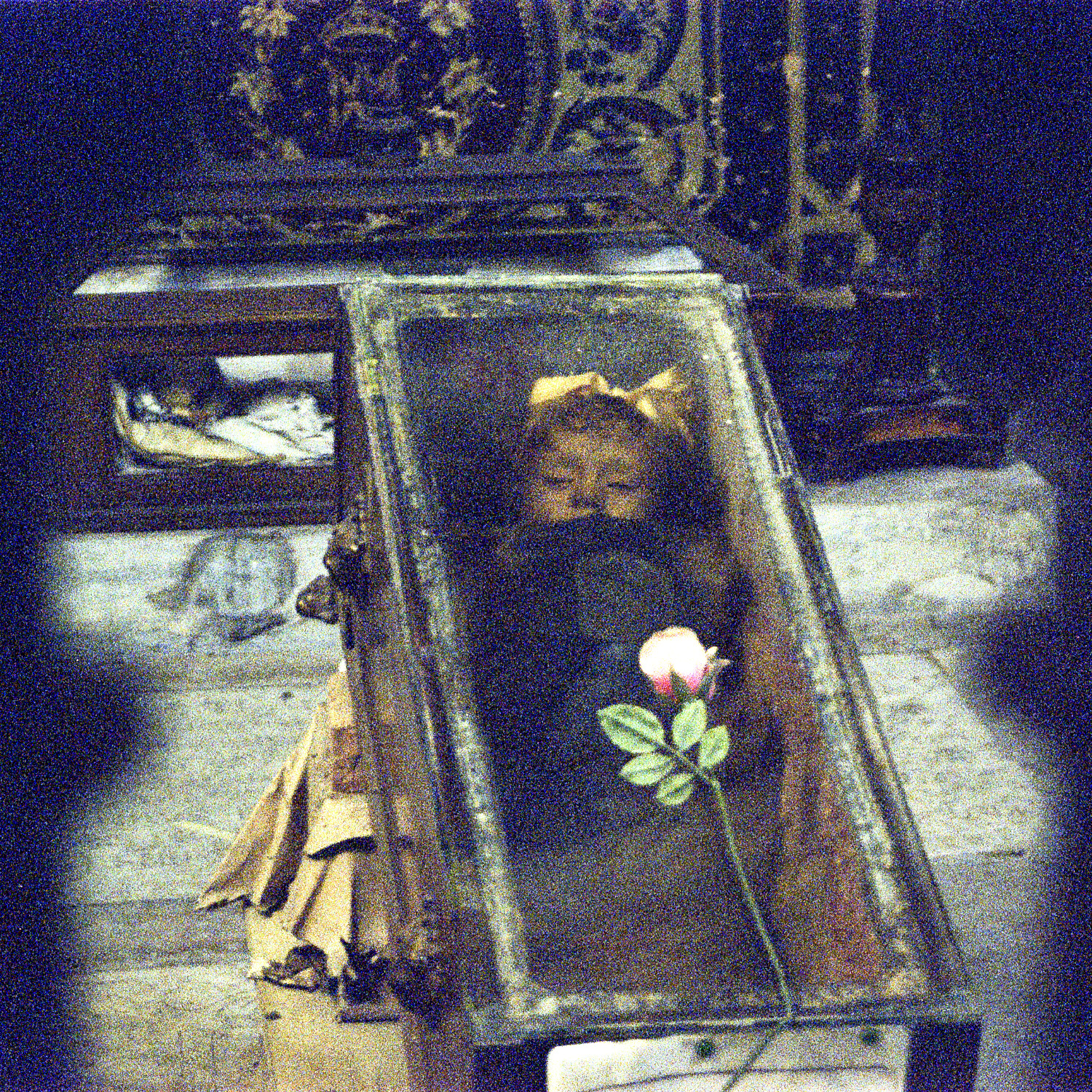
The Capuchin cemetery was actually officially closed to new burials in 1880. Rosalia Lombardo was not evidence that the practice was still routinely continuing in 1920; she was one of only two exceptional later admissions documented by the catacombs themselves. The other was Giovanni Paterniti, a former U.S. vice-consul, in 1911. Rosalia followed in 1920. catacombefraticappuccini.com
So effectively:
1599 — the Capuchins discovered naturally preserved friars and the practice developed from there.
17th–19th centuries — thousands of bodies were preserved and displayed; eventually wealthy laypeople could obtain a place there. catacombefraticappuccini.com
1880 — cemetery definitively closed.
1911 — exceptional admission of Giovanni Paterniti.
1920 — exceptional admission of two-year-old Rosalia Lombardo, one of the very last. Catacombe di Palermo
And Rosalia is different in another important way from most of the bodies you photographed. Most Palermo bodies underwent a largely natural dehydration/mummification process. Rosalia was deliberately chemically embalmed by Alfredo Salafia. Research describes a formaldehyde-based preservation technique, and CT examination has shown remarkable preservation even of her internal organs.